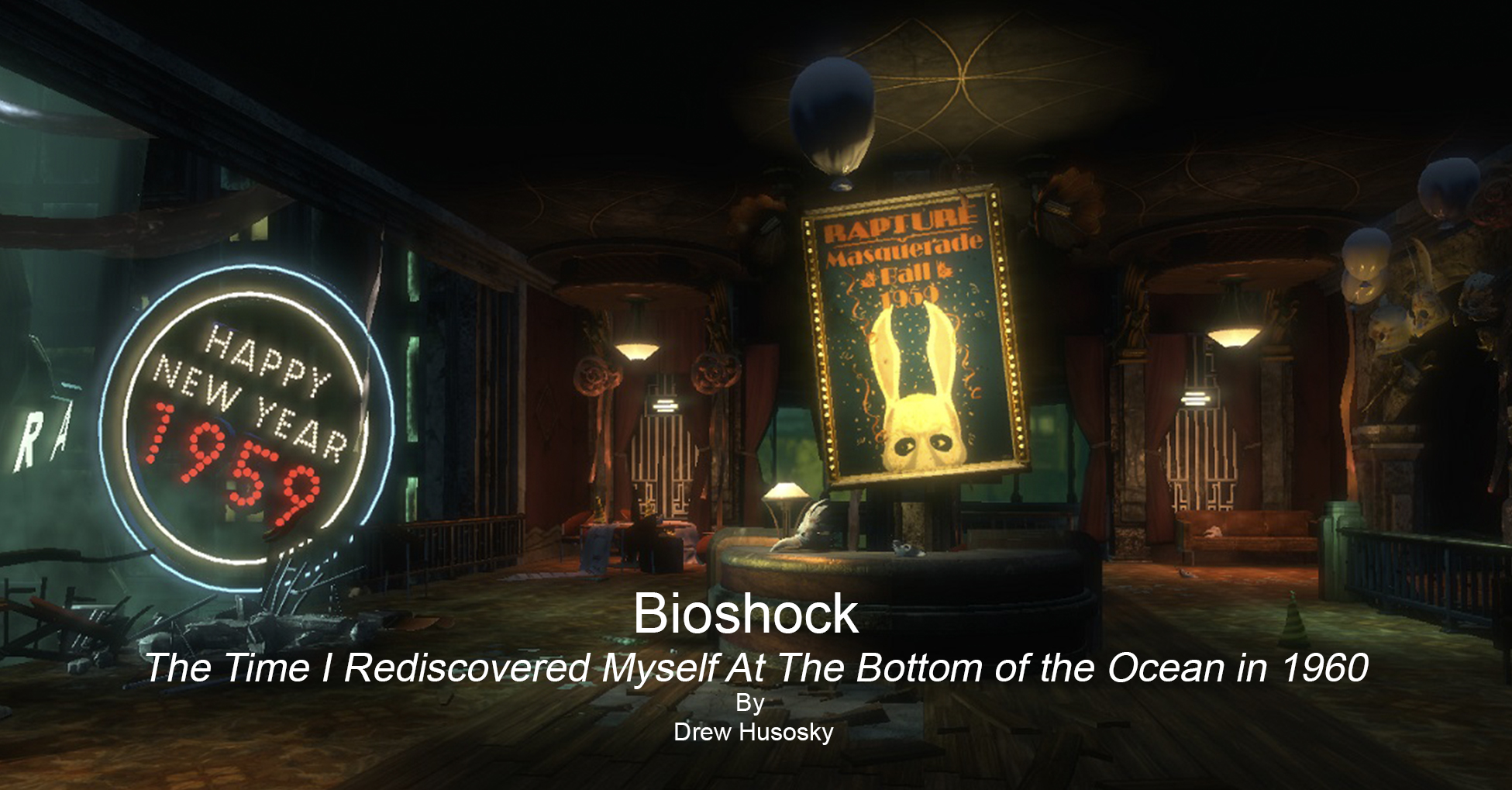
“We all make choices. But in the end…our choices make us.”
-Andrew Ryan
When I sat down to write this essay, my original plan was to explore BioShock and the mark it left on the gaming industry. As I worked through my notes, I realized I had a far deeper connection to this game than simply writing another article about what makes it cool. BioShock not only affected me, it changed me. It took me on a journey.
Can you have a relationship with a video game? I’m not talking about the love of playing through games, defeating a tough boss or blowing your friends to smithereens for hours online. Is it possible for a game to both immerse you and provoke meaningful reflection on the choices you make during gameplay? These choices don’t earn rewards or character buffs though. These decisions effect how you perceive yourself, both as a player and as a person. Bioshock not only helped me discover a new relationship with video games, but also with myself and redefined how I immersed myself in my work and creative life. So I ask again, can you and a game have a relationship? The simple answer is yes, that’s exactly what happened when I chose Bioshock.
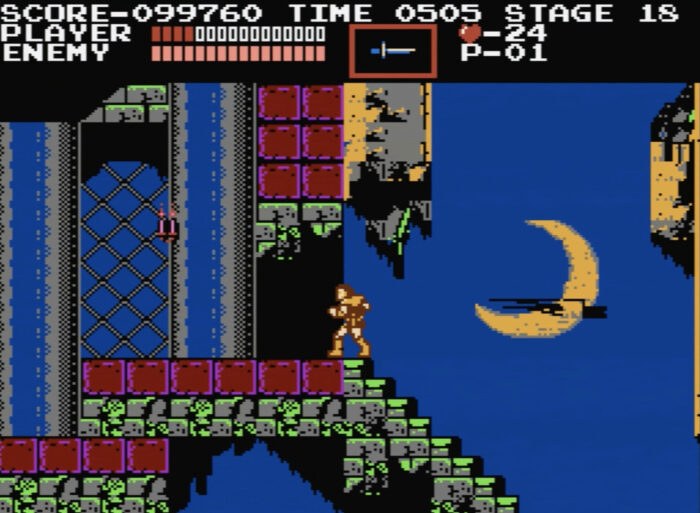
I was fortunate to be born in a time where I would get a front row seat to the video game revolution. It was Christmas 1987 when I got my first NES system. This changed my life. I spent many sleepless nights with Mario, Link and Simon Belmont in Castlevania. I saw new worlds and themes introduced to me all through video games. I then got to experience the evolution of home systems; NES, SNES, Genesis, Playstation1,2,3 ETC. But around 2004, outside Tony Hawk, I wasn’t really playing games anymore. Sports games had become a bit more complicated than they needed to be and I tuned out.
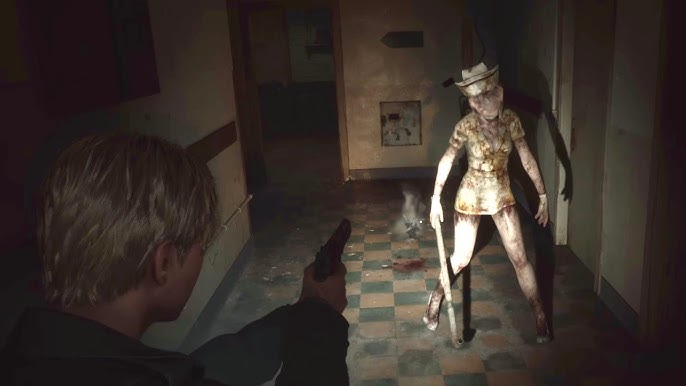
There weren’t any narrative games that were grabbing my interest let alone holding it. Nothing had really hooked me creatively or narratively since Parasite Eve, Metal Gear Solid and Silent Hill. Video games in general weren’t doing anything for me. Similar to a drab romantic relationship, things had become stale, uninspired and lacked passion. Nothing was driving me to complete a game. Most importantly, I didn’t feel valued as a gamer. Mindless online play wasn’t an answer for me. I needed something new. Flash forward to 2007.
I was living with my friend Adam and one day I hear music coming from his room that I had never heard before. It was just an acoustic guitar and a violin. It wasn’t a genre I could name, but it created a vibe that felt brand new and yet felt like I had always known it. I walked into his room to see what he was listening to only to see he was playing a video game. I froze in my tracks, focused and locked in on the images and sound coming from his screen. I had never seen or heard a game like this before. It was grand and yet bIeak. It had horror elements but wasn’t a horror game. It had classic FPS combat mechanics but wasn’t like all the other FPS games at the time. I looked at my roommate and asked what this was. He responded with one word “Bioshock.”
I spent the next few days coming home from work and just watching him explore this world. I say explore because it didn’t feel like he was just playing a game, he was unearthing something deeper. And I wanted more. For the first time in years, I was excited and ready to dive into a video game. I needed to experience Bioshock for myself, so I bought it and locked in for what would become a life changing experience. At the time, I didn’t expect my choice to immerse myself in this game to be anything more than an inspiring audio/visual narrative experience, but it turned out to be so much more. There is a line early in the game from the character Andrew Ryan that sums this up, “We all make choices, but in the end, our choices make us.” He was right.
The Synopsis
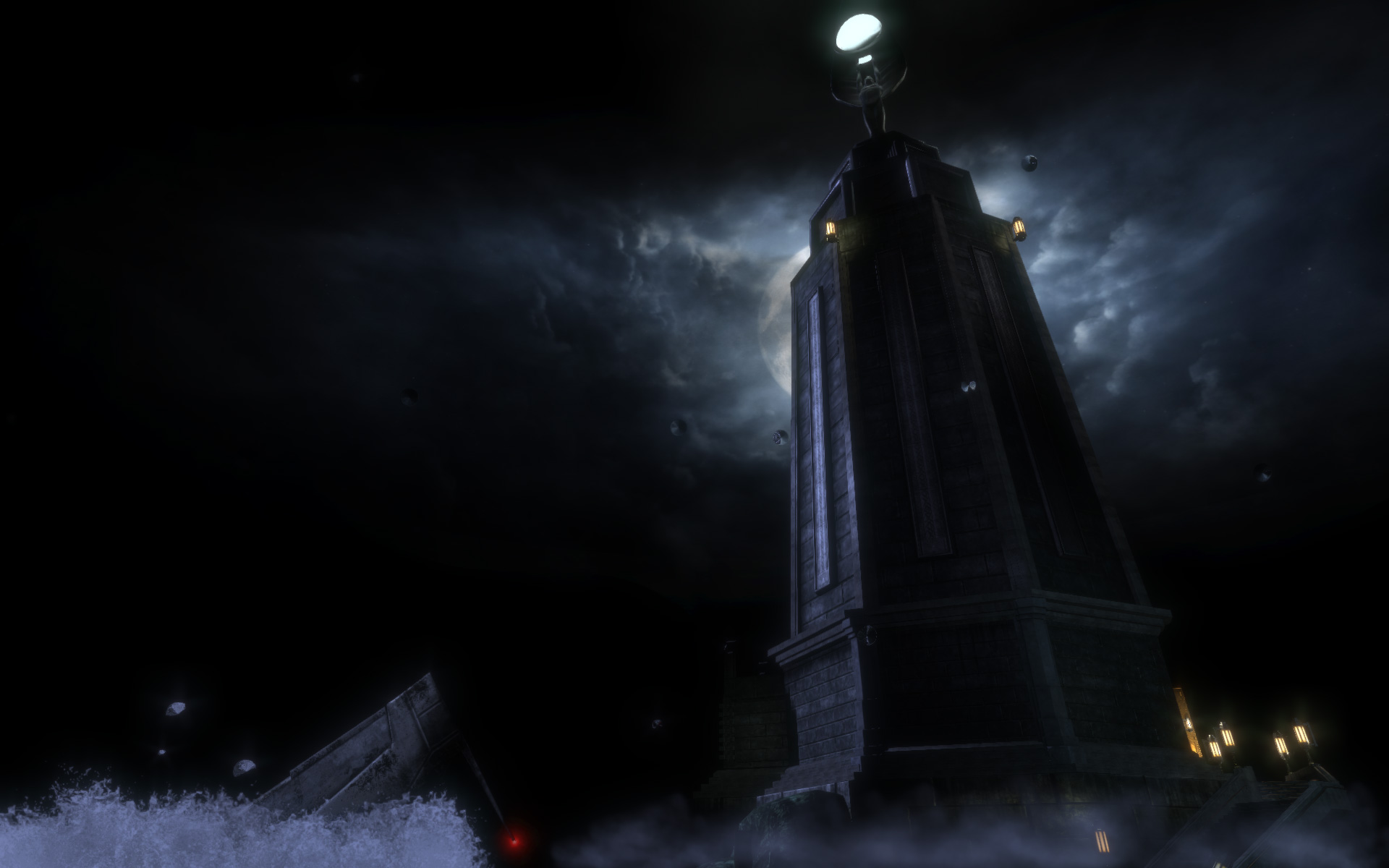
Created by Ken Levine, BioShock is a first-person shooter, taking place in 1960, where you play as a character referred to only as Jack. Who, after your plane crashes in the North Atlantic, you discover a mysterious lighthouse. Upon entering the light house, you board a Bathysphere which descends straight down into the ocean and stops once it arrives at Rapture, a full functioning, utopian, art deco city at the bottom of the ocean. Once inside Rapture, you realize things aren’t quite like they seemed on the outside. This grand, ideal city, built on a laissez-faire philosophy encouraging, free enterprise, science not governed by morality, and a world free of censorship is actually a dystopian nightmare and now you’re trapped in it.
What is Rapture?

Rapture is a living, breathing, city at the bottom of the Atlantic Ocean, created, owned, and operated by Andrew Ryan. Ryan, in search of freedom from government scrutiny, religious interference and what he refers to as “petty morality”, chooses to separate from the world above and create a world below; a world called Rapture. Built on the concept of objectivism, Rapture invites you to a world where your main focus is your happiness and your only hinderance is what you choose to not achieve. Ryan makes this all very apparent in this brief intro you watch on your way to Rapture.
The slide show in the Bathysphere
Andrew Ryan’s voice crackled out of my home stereo speakers, filling the room, and commanding my attention. Ryan was declaring his independence from the world. He was choosing himself. I sat there watching It and couldn’t shake the feeling he was speaking directly to me. Looking back, I was unhappy at the time creatively. I was struggling with achieving my goals as a filmmaker/tv editor. I was stagnant and in search of inspiration, direction and meaning in my work. Bioshock, more importantly Rapture, was offering me a chance at this. Rapture is rooted in the philosophy of Objectivism, developed by Russian-American writer Ayn Rand and popularized in her novels The Fountainhead and Atlas Shrugged. At its core, Objectivism promotes the pursuit of one’s own happiness through a rational understanding of reality and the relentless effort to achieve personal goals above all else. I didn’t fully understand what Objectivism was at the time, but I knew I was drawn to the idea of chasing happiness and accomplishing something meaningful. Rapture was a place that wouldn’t stand in my way with bogus rules and standards or “that’s just the way it is” mentalities, to achieve those goals. This slide show above was the first step for me to seeing things differently. Not just in the game, but more about what I personally wanted from life. This game wasn’t just asking me to play it and be happy, it was challenging me. Asking me directly “are you happy?”
No game had ever made me feel so seen. The slideshow felt personal. Like the game was speaking directly to me. What could my art become if I truly pursued my own happiness? Rapture invited me to find out. As the Bathysphere docked, I stepped into a world that felt like it was waiting for me. A journey of self-awakening about to begin.
The Design
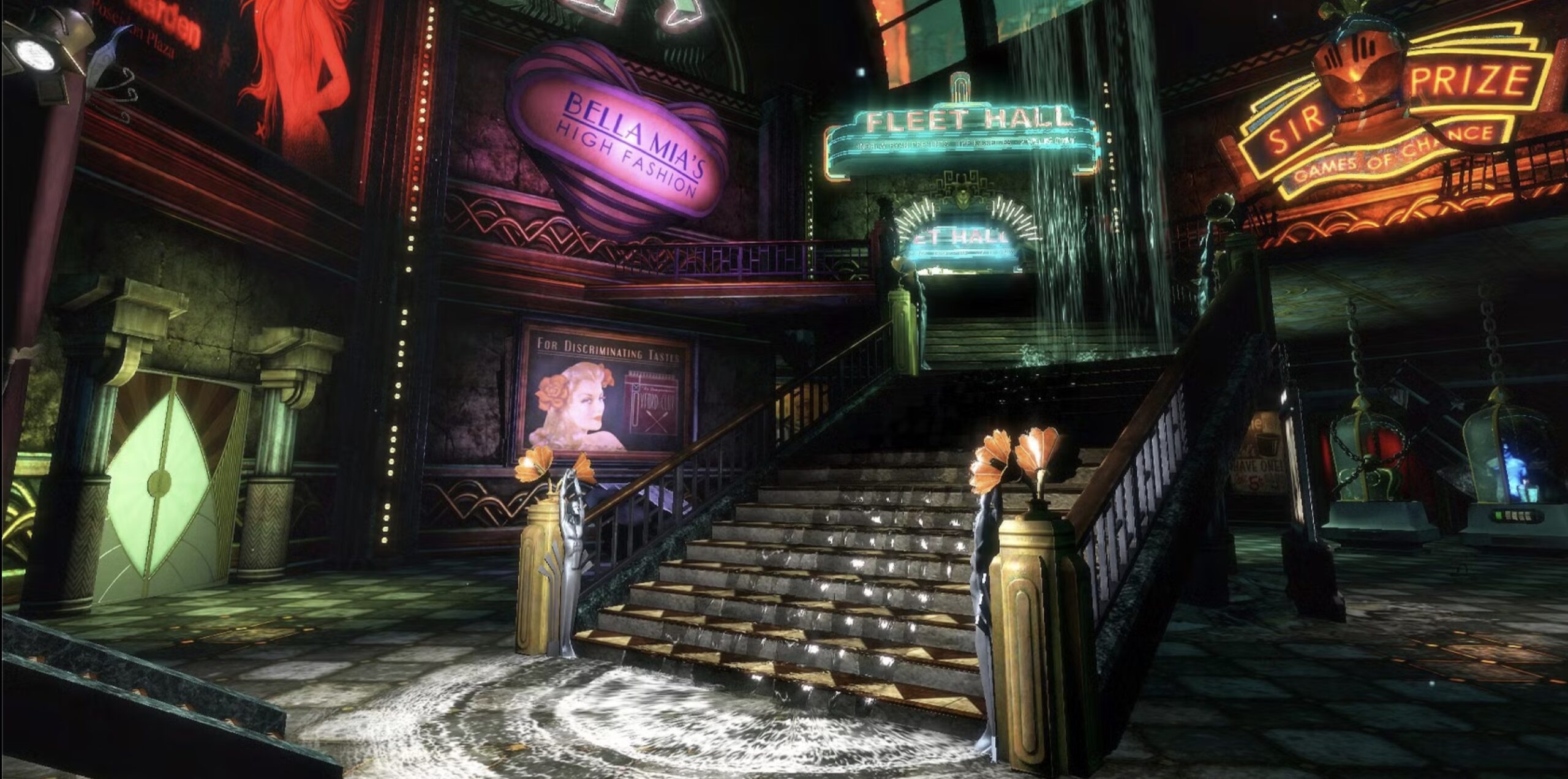
Bioshock’s gameplay is rooted in classic FPS mechanics, but its design lives in a unique, fully realized, beautiful, art deco world. From the outside Rapture is a spectacle. It’s grand, magnificent, and strong. The powerful sculptures, grand marquee entrances, glamorous neon l lighting, and vintage posters all draw heavily from Art Deco design. Inspired by the iconic buildings of the New York City skyline, Rapture radiates an exuberance that gives the game an almost indestructible backdrop. Plain and simple it’s a vibe. Players are rewarded with detailed design elements from artwork, interior/exterior design, music and just overall mood and tone that illustrate the story of Rapture. This attention to detail is what makes it stand out against a sea of other first-person shooters.
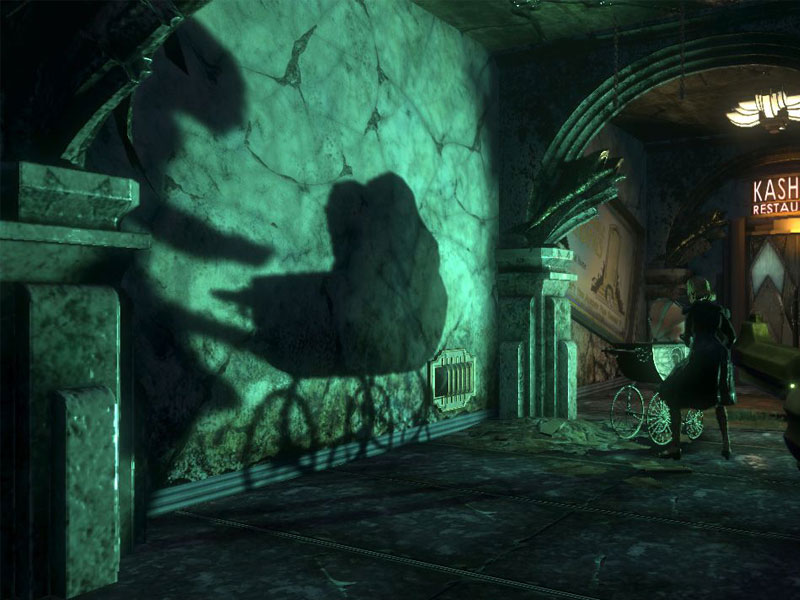
When I began playing this, I wasn’t overly familiar with architecture design styles, but I soaked all this up. It’s the first time I can recall being enthralled with the location a game took place in. I wanted to see every detail. The furniture, artwork, wallpaper, windows. I wanted to know rapture like I knew my childhood home. Similar to my childhood home, if I saw a crack on a wall I know it had a story behind it. The walls felt like they had history. Its crumbling decaying design pulled me in. The chaos and destruction happening to it were a story. I had played games before that were created worlds I walked through, but this was different, this was world building.
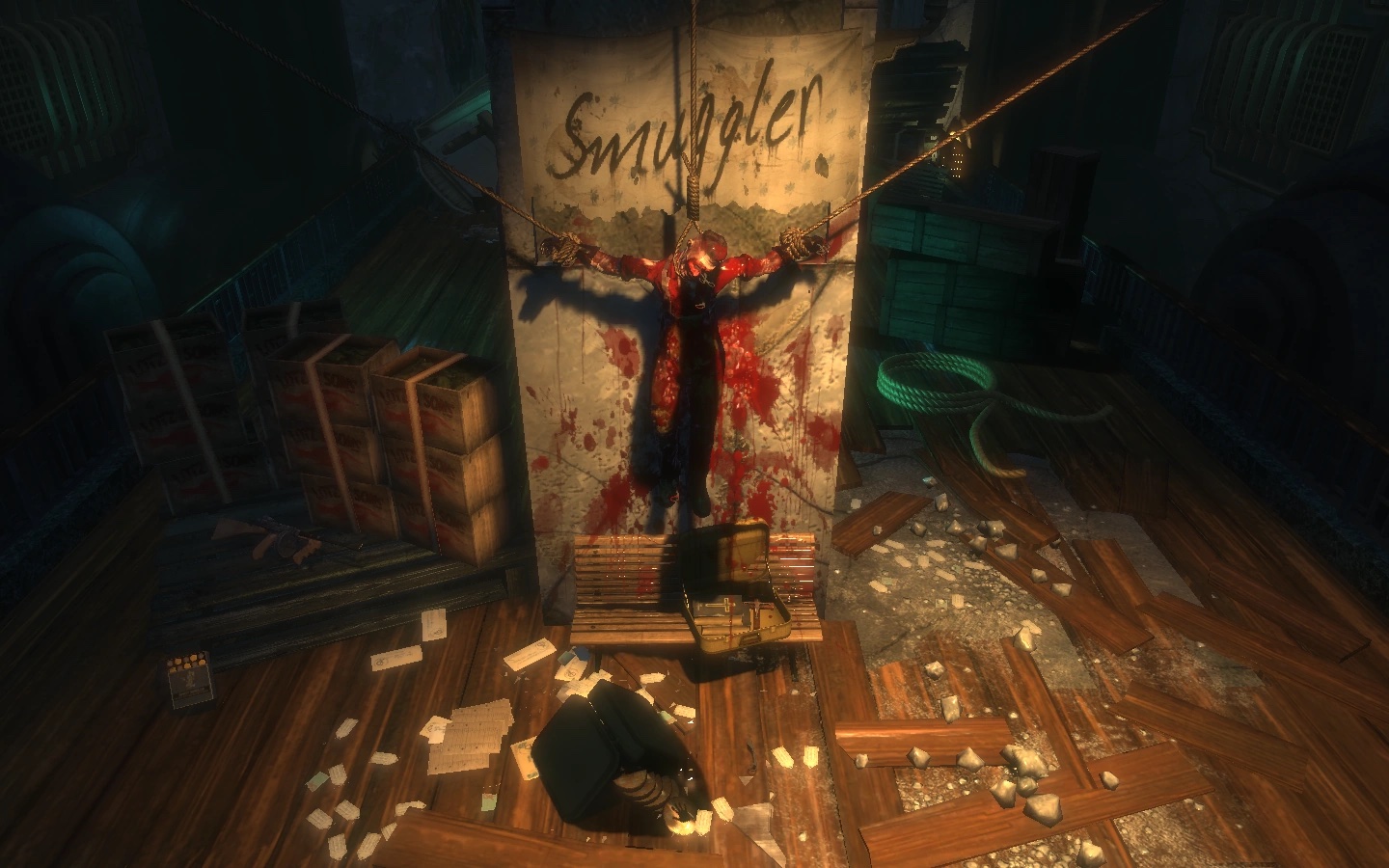
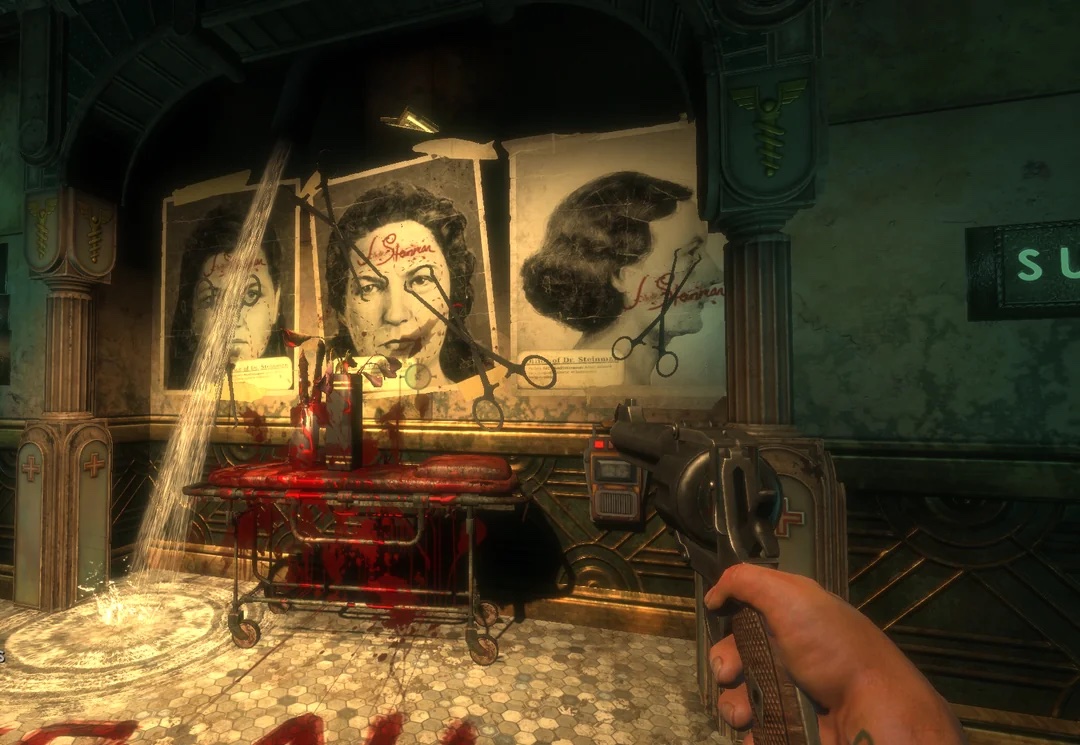
I understood the concepts of world building from TV and movies, but this was different. Bioshock allowed me to do something that TV and movies couldn’t do. Immerse myself. The game wanted me to live in it, explore it and breathe it in. The design of this game went beyond aesthetics. It was storytelling through environment. Every cracked wall and piece of graffiti revealed Rapture’s civil unrest and hidden pain beneath the glamourous surface. The game invited me into its vulnerable spaces, exposing its flaws and humanity. It was laying the groundwork for the duality of Rapture and the choices it will propose. That openness made me feel safe to do the same in my own work. To embrace imperfection, dig deeper, and be creatively vulnerable.
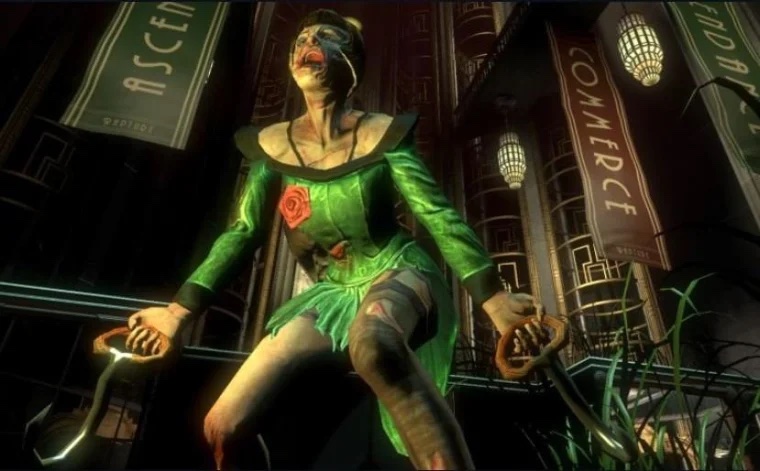
One of the most compelling aspects of the game, was their use of NPC interactions to flesh out the world of Rapture. In the game you use ADAM, a rare green liquid harvested from a sea slug. Once refined, can be injected into your veins, re-writing your genetic code granting you powerful abilities (fire, telekinesis, ice etc). But, these abilities come at a cost, physical deformations, mental degeneration and addiction. The game puts you face to face with many people who have become enslaved to the addiction. Known as Splicers, these once idealistic citizens of Rapture, now haunt it’s ruins as violent addicts driven by withdrawal. Their fractured monologues reveal glimpses of who they once were, inviting both fear and empathy. These aren’t just rudderless enemies, they’re tragic characters. While it seems sort of unnecessary for NPCS who relentlessly attack you to share these broken bits of their lives; it serves two purposes. The first, their haunting interactions make the horror personal. Second, it elicits empathy to their story by offering you a grim counter-narrative to Rapture’s promise of unchecked ambition. The game doesn’t hand you the story. It hints it through broken voices and decaying hallways, urging you to look closer.
While many games at the time were trying things like this, Bioshock did it best in my opinion. It focused on details with intention. No element in the game is arbitrary. All things in game, no matter how small, serve the story or atmosphere in a meaningful way. It made me realize how powerful thoughtful choices can be, even in the background. This kind of creative depth pushed me to look at my own work differently and inspired me to be more mindful and purposeful through my own creative decisions. I had bigger ideas and higher concept designs. I thought through story and what I can do to best serve that. I was changing creatively. The game was teaching me to speak a new language. Think bigger and create honestly. The choices I make in my own work all matter. Ultimately Bioshock is a game about ideas and the choices made around those ideas. Choices made are choices lived with.
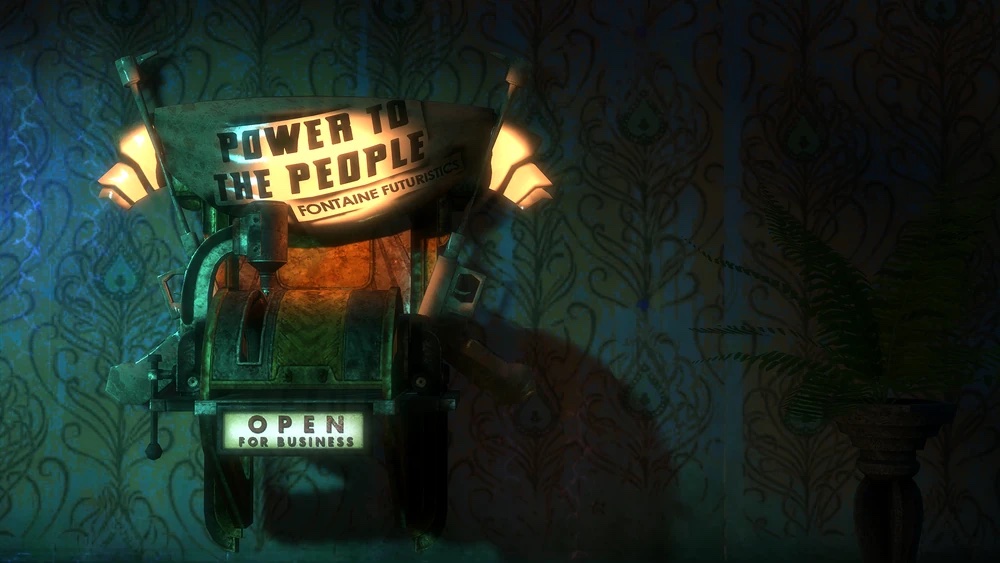
Choices
When I say choices, I don’t mean in the style of Fallout or Far Cry side quests. You aren’t being forced to pick a side in the game that then dictates your involvement with story. BioShock tries something very interesting, it offers you minimal bonuses and rewards for choices you make. But what’s the point of choices without reward?
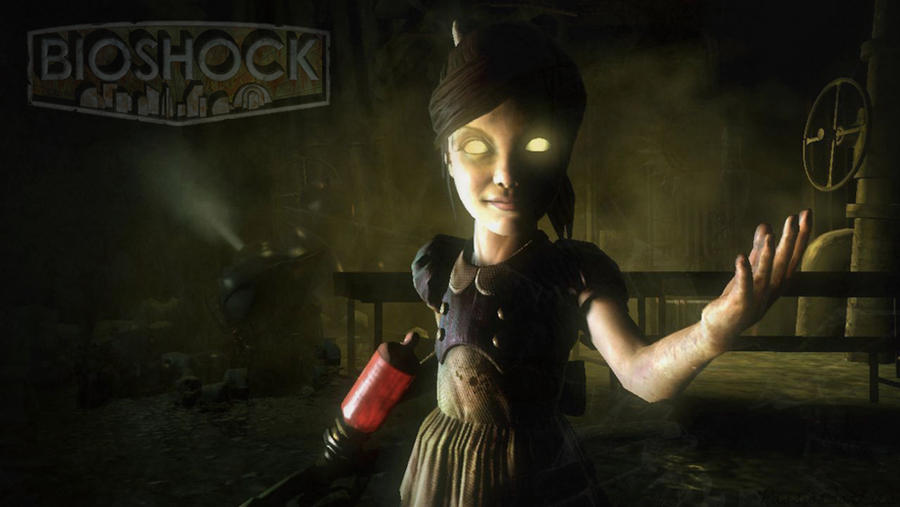
There is a great moment in the game that illustrates this idea of choices without reward. At one point you meet your first Little Sister. Little Sisters are young girls that have been genetically altered to harvest more ADAM by Dr. Brigid Tenenbaum. When you come upon them for the first time you are asked to make a choice. Do you harvest (infanticide) them for a quick boost, or do you rescue them for a slower, morally gentler path. The twist is that the reward difference is minimal. The game isn’t interested in challenging your strategy, its testing your values. Asking me to make a choice because of who I wanted to be in this world and not a gameplay advantage was something that stuck with me. It made me realize how powerful storytelling can be when it puts emotion over reward. Forcing me to consider the story and how I fit into it prioritized my game experience and gave me complete player agency. Which, in a game where the main theme is choices is exactly how Ken Levine wanted me to feel.
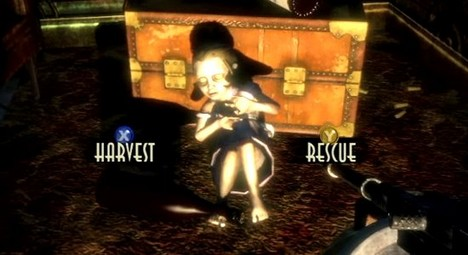
My first play through I was a 50/50 split saving/harvesting Little Sisters. I had begun harvesting them but genuinely felt guilty for harvesting them after the first few. The pieces leading up to this, the audio logs, Atlas and characters hunting the little sisters down all played into my decision. Am I any better than a Splicer if I harvest the Little Sisters? It’s a small detail but it had an amazing effect on me during game play. So much so I began rescuing them. Ken Levine and his team created a world that I had 100% immersed myself in. I wasn’t playing this game for a reward. I was on a journey with this game.
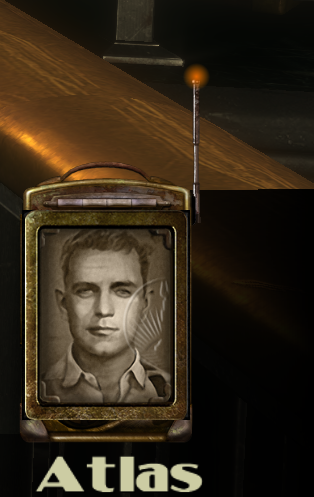
I think one of the last things that was a big deal for me was the games use of trust. Before this game I never considered that trust had a role in video games. How do you trust a video game? This is where I need to mention the largest twists in the game (SPOILER). Atlas, the man who has been helping you through Rapture and who you are trying to save his family reveals he doesn’t have a family, his name isn’t even Atlas. He is crime boss, con man and arch enemy of Andrew Ryan, Frank Fontaine. Fontaine is reason for the downfall of Rapture and he has been manipulating you from the beginning of the game to get you to a position to kill Andrew Ryan. When this was revealed to me, I felt legitimately betrayed. I spent hours trusting this voice (Atlas) on a radio, a voice that had a story, it had details, it taught me how the game worked, it walked me through Rapture and even looked out for me. The game had built a bond of trust through an untrustworthy narrator. But Why?
Similar to Sissy Spasack in Badlands or Alabama in True Romance, Atlas is another untrustworthy narrator guiding me through the story. The game building a relationship between Atlas and I only to betray me is something that should have pissed me off, but it did something different. It taught me a valuable lesson about trust and perspective. It made me want rethink all my choices in the game and how he affected them. I thought about the moment I made the choice to harvest the little sisters instead of save them. Following Atlas’ advice made me initially feel harvesting them was the way to go and to ignore Dr. Tenenbaum’s plea to rescue them. Trusting Atlas superseded trusting myself and questioning what I was being told. This concept is something I would take with me into my everyday life. Being more aware where information comes from and how the point of view it comes from matters. It was an exercise in being patient and examining multiple outlets of information to make a well thought out decision. Which brings us back to the theme of choices and how they make us.

When I think about BioShock, its not just the fun or gameplay that stands out. It’s the journey I went on and how it transformed me creatively and just my perspective on life in general. That’s what good art is supposed to do, right? It doesn’t just entertain, it asks us to look inward and reflect on what it brings out in us. Ken Levine and his team reshaped my relationship with video games. The immersion, the depth of storytelling and the weight of choice, it all set a new standard. This wasn’t an FPS to just clear enemies to reach the next level. It felt like I was stepping into a living breathing world. One I never wanted to leave.
Bioshock reinvigorated my love for video games and my passion for my work and art. It encouraged me to Immerse myself in creation, explore ideas, follow what makes me happy and prioritize myself and my ambitions. Almost 20 years later, these core values are still very much a part of me. I set out to build a career and creative lifestyle that would be something bigger than me and I have achieved that. In a way, that was Andrew Ryan’s dream too. To build something different, something extraordinary. He chose the impossible. He chose Rapture. By embracing the vulnerability, complexity, and ambition of my own creative path, I realized that in the end, I had chosen it too.
.